Six interlinked programs. One belief: every mind — neurotypical or neurodivergent — matters.
From classrooms in Buloba to homes caring for children with autism and learning disabilities, our programs are designed to meet people where they are — with dignity, faith, and practical support.
Autism Support & Therapy
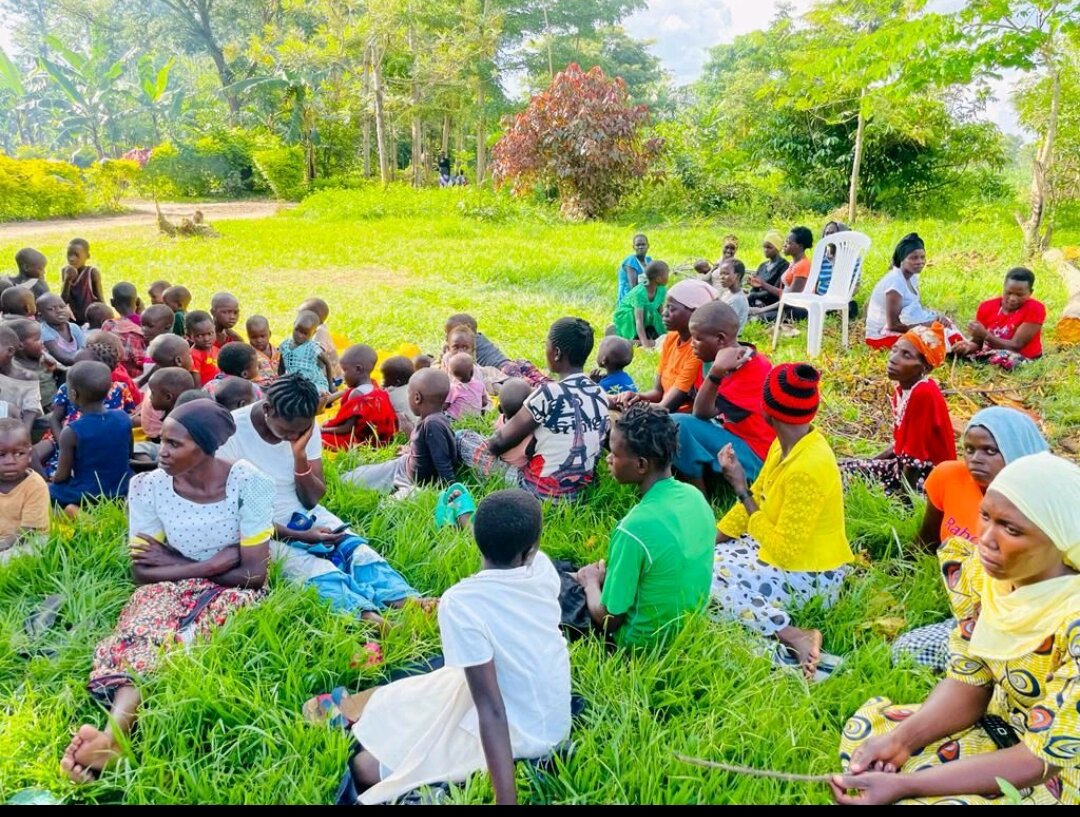
Autism in Uganda is too often misread as bad behaviour, witchcraft, or simply ignored. Our autism program walks alongside the family from the first moment of suspicion through to long-term care — combining respectful information, nutritional support, sensory-friendly play sessions, and referrals to specialist therapy where available.
What we offer
- Early identification visits in homes and schools — what autism looks like at different ages
- One-to-one counselling for parents adjusting to a diagnosis
- Nutrition assessment and dietary planning (led by our Treasurer, a qualified Nutritionist)
- Sensory-friendly play groups and structured social-skills sessions
- Connection to occupational therapy, speech therapy, and paediatric specialists (volunteer network)
Why this matters
A child with autism whose family is supported, fed well, and understood — does not need to be hidden. Our work begins with that simple, stubborn conviction.
Learning Disability Inclusion
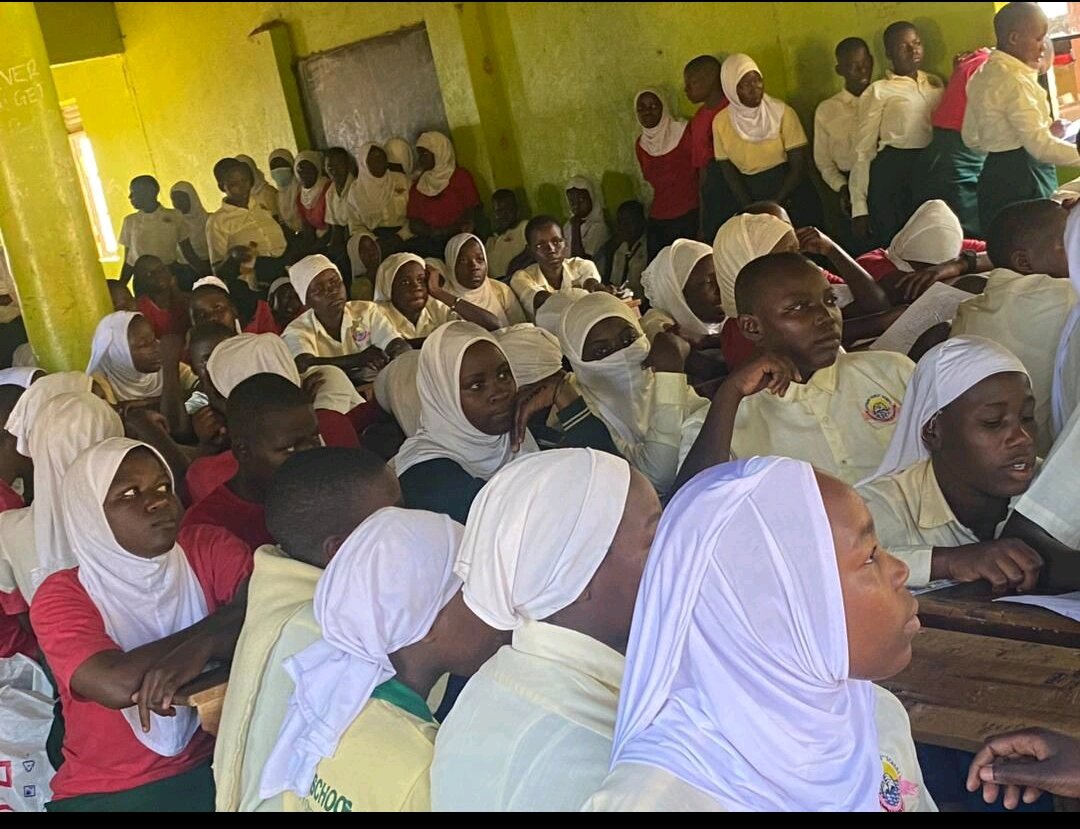
Dyslexia. ADHD. Dyscalculia. Slow processing. In Ugandan classrooms these are rarely diagnosed; pupils carrying them are too often labelled lazy, dull, or troublesome, and pushed out of school. We work with teachers and parents to recognise learning differences for what they are — and to keep these pupils in the classroom.
What we do
- Teacher training workshops on identifying dyslexia, ADHD and other learning differences
- Parent-teacher dialogue sessions when a child is struggling academically
- Classroom accommodation toolkits (seating, instruction style, assessment alternatives)
- Advocacy with school leadership to prevent expulsion or pushed-out absenteeism
- Linking families with tutors trained in special-needs education
A child whose mind learns differently is not less. We make sure their teachers know that — in language and tools they can use on Monday morning.
Youth Mental Health Awareness
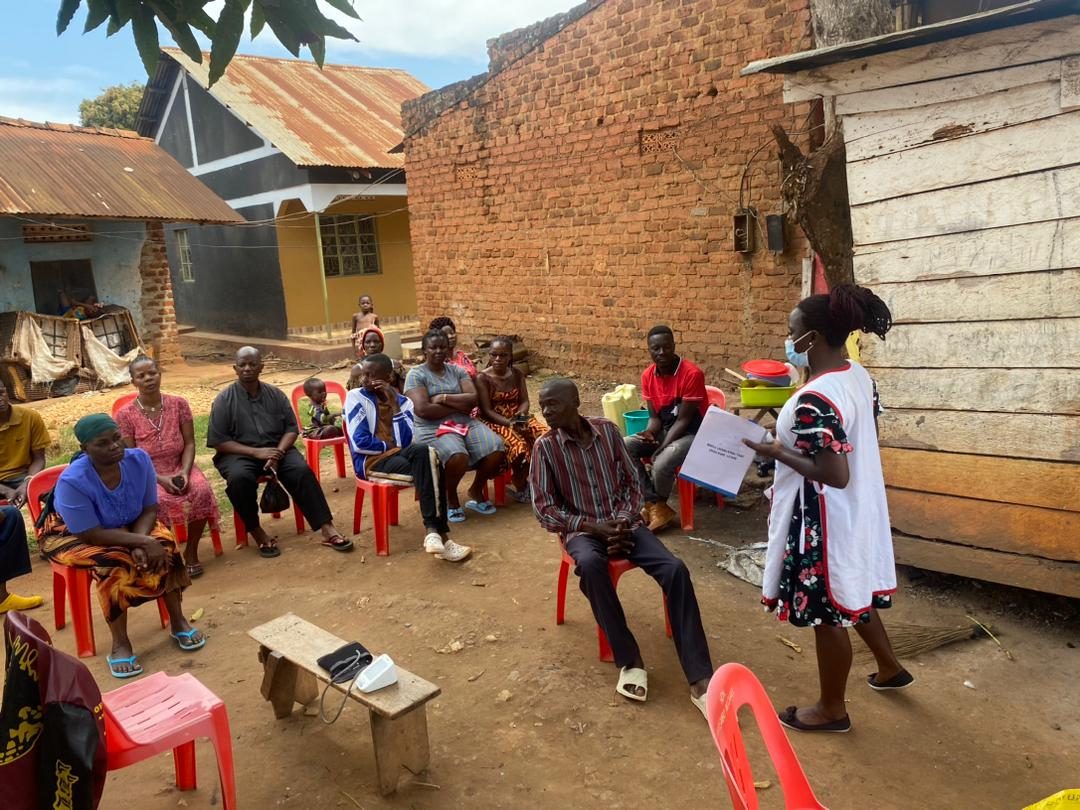
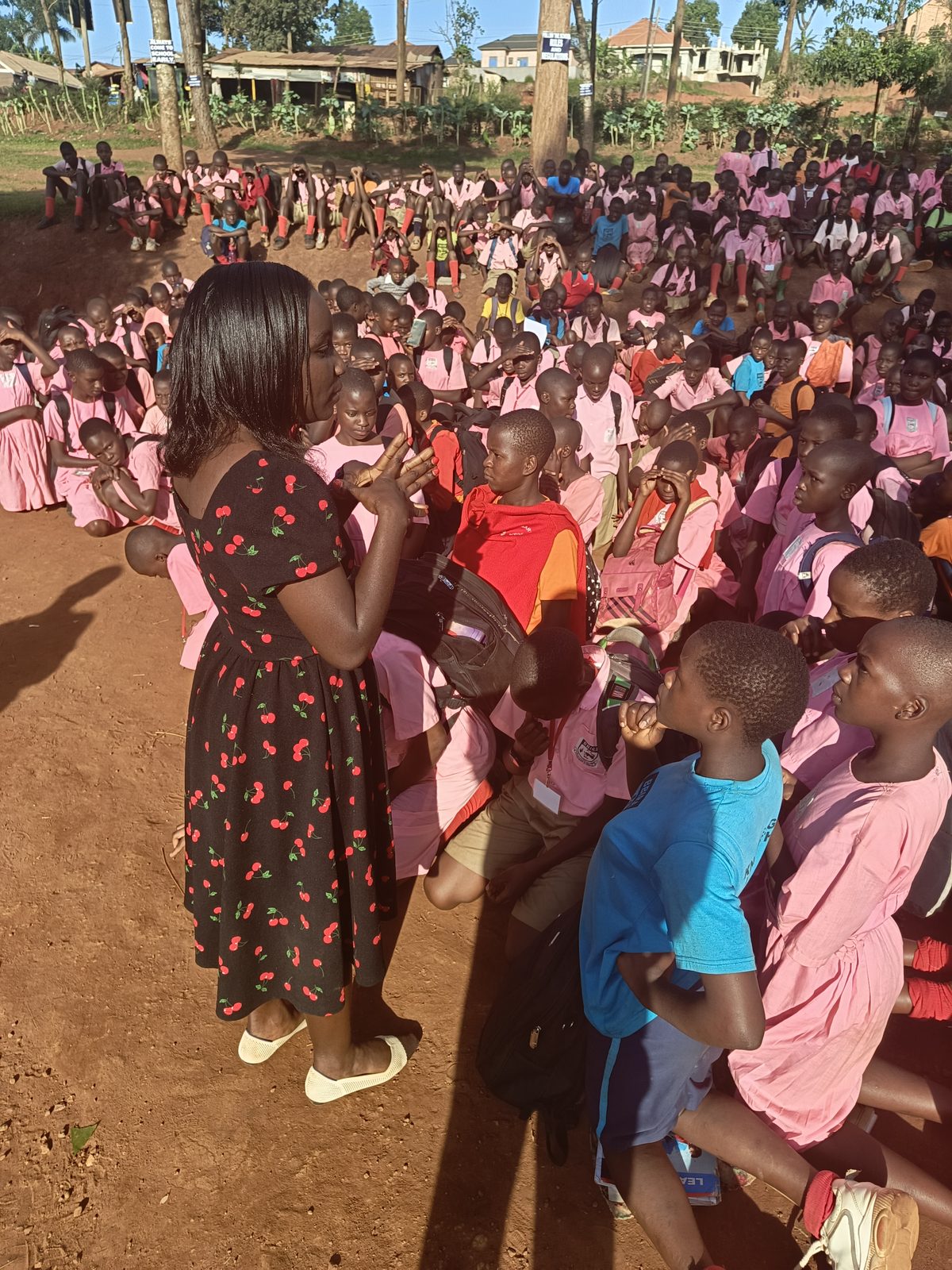
We bring mental health into the open — in language young Ugandans can understand and adults can act on. Through small-group conversations, school assemblies, church gatherings, and community sensitisation, we challenge stigma and replace silence with skills.
What we cover
- Understanding anxiety, depression, and trauma in plain language
- Recognising warning signs in oneself and in peers
- How and where to seek help — and when to walk with a friend who needs it
- Faith, family, and mental health: holding them together with care
Impact so far
Over 1,200 students reached through assemblies and small groups, with follow-up peer support circles forming in 12+ schools across Wakiso District.
School Outreach
Schools are where young Ugandans spend most of their formative hours — and where mental health needs are often first visible. We partner directly with primary and secondary schools to deliver structured sensitisation talks, teacher briefings, and pupil-led wellbeing clubs.
What we deliver in schools
- Whole-school assemblies on mental health and bullying prevention
- Teacher orientation: spotting and responding to distress
- Inclusion training: welcoming pupils with disabilities into mainstream classrooms
- Wellbeing clubs and peer-support champions chosen from the pupils themselves
Where we work
Currently active in 12+ schools across Buloba and surrounding parishes of Wakiso District. New school partnerships welcomed.
Caregiver Empowerment & Handmade Crafts
Behind every child with autism or a learning disability is a caregiver — most often a mother or grandmother — who has shouldered her child's needs alone, sometimes for years. We exist to make sure she is never invisible again, and that her hands earn what her love already gives.
What we offer caregivers
- Monthly support circles — a safe space to share, weep, and learn together
- Training in autism-care techniques, behaviour support, and self-care for the carer
- Nutrition counselling tailored to children with developmental and learning disabilities
- Referrals to medical and educational services where appropriate
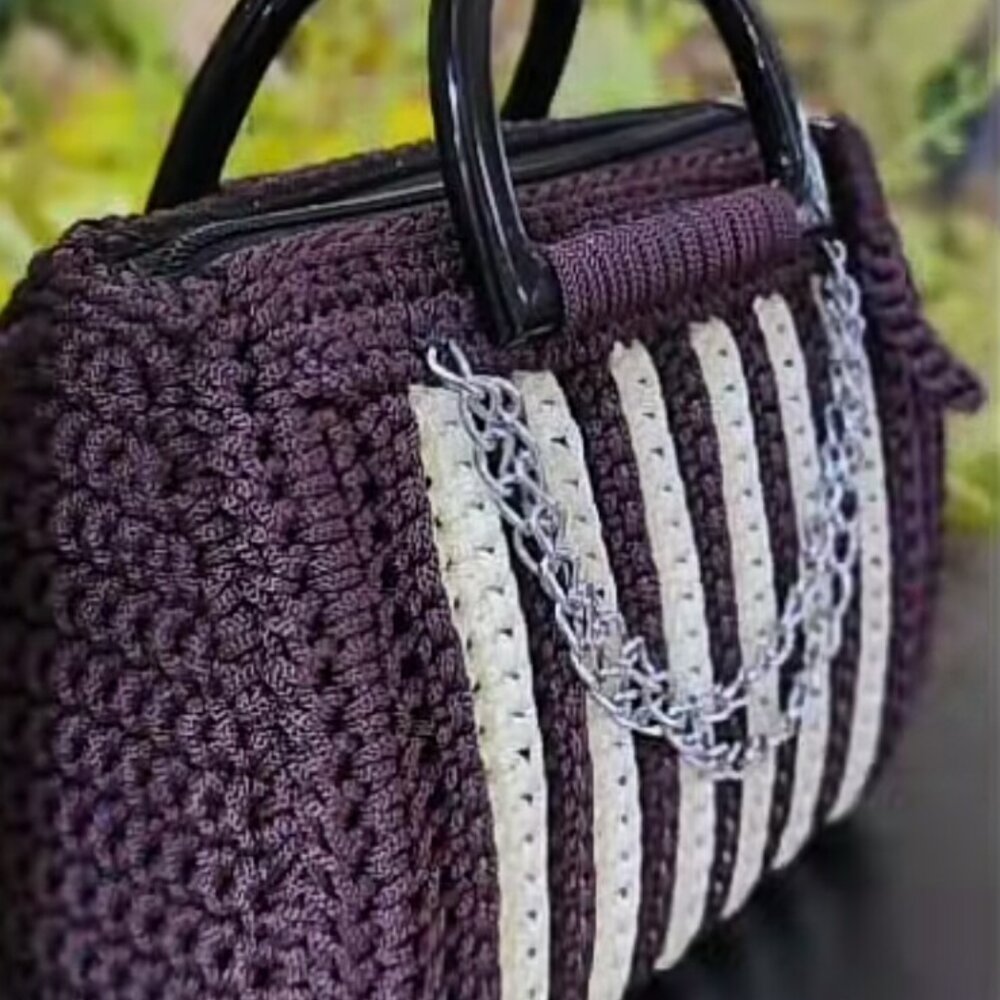
- Livelihood through crochet: a structured craft program teaching design, finishing and pricing of handmade bags — sold locally and gifted to international donors of $50+
Why the bags matter
The handmade crochet bags you see on our gallery and donate pages are made by these caregivers. Each bag carries a quiet economic story: a school fee paid, a therapy session afforded, a kitchen restocked. When you donate and receive a bag, you close the loop — your gift funds the work, her craft sustains her family. Compassion that earns its keep.
Impact so far
Over 45 caregivers actively engaged in support circles and the crochet livelihood program, with a growing waiting list.
Disability Inclusion Advocacy
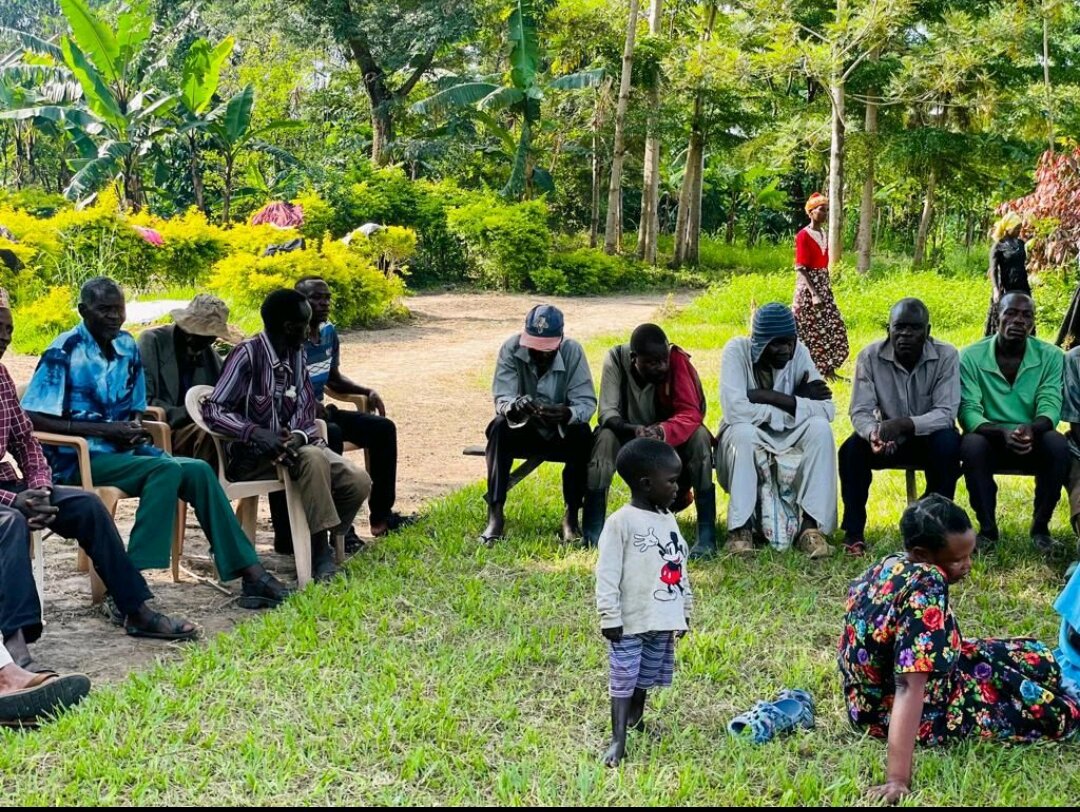
Children with autism, intellectual disabilities, and severe learning differences are too often hidden, mocked, or denied schooling altogether. Our inclusion work is about restoring them to community — and asking community to learn how to receive them.
What inclusion looks like
- Identifying children with disabilities who are out of school or isolated at home
- Working with families to develop a realistic plan for participation and growth
- Equipping schools and churches to welcome these children with patience and skill
- Connecting families with medical, therapeutic, and government services where available
This is slow, faithful work. It does not photograph easily. But it changes lives — quietly, and forever.
Counselling & Psychosocial Support
For young people in crisis, group talks are not enough. Our counselling work provides one-to-one and small-group sessions — confidential, faith-sensitive, and trauma-informed — for those carrying more than they can name.
Who we walk with
- Young people facing anxiety, depression, or suicidal thoughts
- Survivors of abuse, neglect, or domestic violence
- Bereaved children and adolescents
- Caregivers and parents under prolonged emotional strain
We work in partnership with qualified counsellors and medical professionals. When a situation is beyond our scope, we walk the person to someone who can help — we do not leave them.